Backlinks have long been considered the backbone of search engine optimization. They serve as digital endorsements, signaling to search engines that your content is valuable, trustworthy, and authoritative. However, not all backlinks contribute positively to your website’s health. In fact, some links can actively damage your search rankings, trigger penalties, and undermine years of careful SEO work.
These harmful links are commonly known as toxic backlinks or bad backlinks. Understanding what makes a backlink toxic, how search engines identify them, and the specific ways they impact your SEO performance is crucial for maintaining a healthy digital presence.
In this comprehensive guide, we’ll explore the nature of toxic backlinks, examine their various forms, analyze their detrimental effects on SEO, and discuss why identifying them is the critical first step before using any backlink disavow tool to protect your website.
Understanding Toxic Backlinks: A Deep Dive
Defining Toxic Backlinks
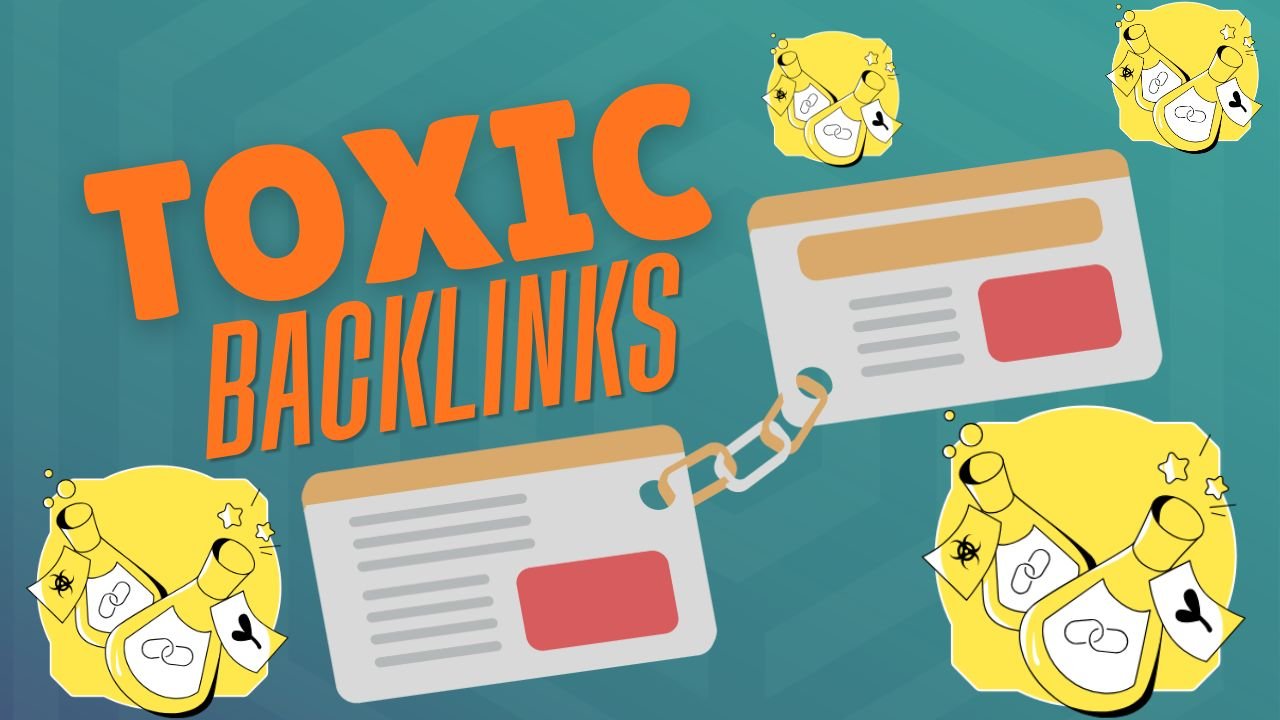
Toxic backlinks are inbound links that originate from low-quality, spammy, manipulative, or irrelevant sources. Unlike legitimate backlinks that occur naturally when other websites find your content valuable, toxic backlinks are typically created through artificial means, black-hat SEO tactics, or automated systems designed to game search engine algorithms.
The fundamental characteristic that distinguishes a toxic backlink from a merely low-quality one is the intent and pattern behind its creation. While a single link from a mediocre website might not cause harm, toxic backlinks often appear as part of systematic manipulation schemes, link farms, or negative SEO attacks.
The Evolution of Backlink Quality Assessment
Search engines, particularly Google, have evolved significantly in how they evaluate backlinks. In the early days of SEO, quantity often trumped quality. Websites could rank well simply by accumulating large numbers of backlinks, regardless of their source. This led to the proliferation of link schemes, automated link building tools, and paid link networks.
However, algorithm updates like Google Penguin (first launched in 2012 and subsequently integrated into the core algorithm) shifted the focus dramatically toward link quality. Modern search engines now employ sophisticated machine learning systems to analyze:
-
Link context and relevance
-
Domain authority and trust metrics
-
Anchor text distribution patterns
-
Link velocity and growth patterns
-
Source website quality indicators
This evolution means that toxic backlinks are no longer ignored or neutral—they can actively trigger penalties, algorithmic devaluations, and manual actions that severely impact your search visibility.
Types of Toxic Backlinks Explained
Understanding the different categories of toxic backlinks helps in identifying them accurately within your backlink profile. Here are the primary types that SEO professionals encounter:
1. Spam Directory Links
These are perhaps the most common form of toxic backlinks. Spam directories are websites created solely for the purpose of hosting links. They typically feature:
-
Thousands of categorized links with no editorial oversight
-
Thin or non-existent content
-
Aggressive advertising and pop-ups
-
No real traffic or user engagement
-
Automated submission systems accepting any link without review
While legitimate business directories exist (like Yelp, Yellow Pages, or industry-specific directories), spam directories offer no value to users and exist only to manipulate search rankings. Links from these sources send strong negative signals to search engines.
2. Private Blog Network (PBN) Links
Private Blog Networks are collections of websites owned by a single entity or group, designed specifically to build backlinks to money sites. PBNs attempt to mimic legitimate websites but often reveal telltale signs:
-
Similar design templates across multiple sites
-
Thin, spun, or plagiarized content
-
Unnatural interlinking patterns
-
Hosted on the same IP addresses or servers
-
Sudden appearance of outbound links to unrelated commercial sites
Google actively hunts and deindexes PBNs. When your website receives links from a discovered PBN, those links become toxic liabilities rather than assets.
3. Irrelevant and Off-Topic Backlinks
Relevance is a cornerstone of modern link evaluation. When your website about digital marketing receives links from gambling sites, adult content platforms, or foreign-language pharmaceutical websites, these create contextual disconnects that search engines interpret as manipulation attempts.
While occasional irrelevant links occur naturally, a pattern of off-topic backlinks suggests:
-
Automated link building campaigns
-
Purchased link packages
-
Negative SEO attacks
-
Hacked website injections
4. Comment Spam and Forum Profile Links
Automated tools have long exploited comment sections and forum profiles to create backlinks at scale. These links typically:
-
Appear in irrelevant blog comments (“Great post! Visit my site…”)
-
Reside in abandoned forum profiles with no genuine participation
-
Use exact-match anchor text repeatedly
-
Originate from websites with nofollow attributes improperly removed
-
Show identical comment patterns across hundreds of sites
Modern content management systems have implemented better spam filtering, but legacy comment spam links often persist in backlink profiles for years.
5. Paid Low-Quality Links
The practice of buying backlinks remains prevalent in SEO, despite violating Google’s guidelines. When you purchase links from low-quality providers, you typically receive:
-
Links from websites with no editorial standards
-
Placements in unrelated content
-
Obvious sponsored post patterns without proper disclosure
-
Links surrounded by other paid links (link farms)
-
Rapid acquisition patterns that appear unnatural
The toxicity of paid links increases when they come from websites that openly sell links to anyone, creating obvious footprints that search engines can detect algorithmically.
6. Auto-Generated and Widget Links
Certain tools and widgets automatically create backlinks when embedded on websites. While some widget links are legitimate, toxic variations include:
-
Free website tools that inject hidden links
-
Embed codes containing keyword-rich anchor text
-
Automatically generated links from web design templates
-
Links from scraped or syndicated content
-
Plugin-generated links on compromised websites
These links often appear without the website owner’s knowledge or intent, making them particularly problematic.
How Toxic Backlinks Harm Your SEO
The impact of toxic backlinks extends far beyond simply “not helping” your rankings. They can actively damage your website’s search performance in multiple ways:
1. Algorithmic Penalties and Devaluations
Google’s algorithms continuously evaluate backlink profiles. When they detect patterns consistent with link schemes or manipulation, they may apply:
-
Penguin penalties: Algorithmic demotions specifically targeting unnatural link patterns
-
Link-based devaluations: Discounting the value of specific links or entire link categories
-
Trust score reductions: Lowering your site’s overall trust metrics based on association with spam networks
Unlike manual penalties, algorithmic impacts often occur without notification, leaving website owners struggling to understand sudden ranking drops.
2. Manual Actions from Google Search Console
In severe cases, Google’s human reviewers may issue manual actions against websites with egregious backlink profiles. These appear as notifications in Google Search Console and typically state:
“Unnatural links to your site—impacts links”
Manual actions can result in:
-
Significant ranking drops for specific keywords
-
Complete removal from search results for competitive terms
-
Site-wide penalties in extreme cases
-
Required cleanup and reconsideration requests
Resolving manual actions requires identifying and addressing toxic backlinks, often necessitating the use of Google’s Disavow Tool for links that cannot be removed manually.
3. Negative SEO Attacks
Negative SEO occurs when competitors or malicious actors intentionally build toxic backlinks to your website to harm your rankings. This underhanded tactic can involve:
-
Sudden influxes of spam links from link farms
-
Anchor text bombing with irrelevant or penalized terms
-
Links from known malicious or hacked websites
-
Automated creation of thousands of low-quality links
While Google’s algorithms have improved at ignoring many negative SEO attempts, sophisticated attacks can still cause damage, particularly for newer or smaller websites with less established authority.
4. Dilution of Link Equity
Even when toxic backlinks don’t trigger penalties, they can dilute your overall link profile quality. Search engines evaluate the ratio of high-quality to low-quality links pointing to your site. A profile saturated with toxic links means:
-
Less authority passes from your legitimate backlinks
-
Reduced crawl budget efficiency
-
Lower trust signals overall
-
Difficulty competing against sites with cleaner profiles
5. Reputational Damage and User Trust
Beyond search engine algorithms, toxic backlinks can harm your brand reputation. When users discover your website linked from spammy, irrelevant, or malicious sources, it erodes trust in your brand. This is particularly damaging for:
-
E-commerce websites handling sensitive transactions
-
Professional service providers building credibility
-
Content publishers establishing authority
-
Local businesses competing on reputation
6. Crawl Budget Waste
Search engines allocate limited crawl resources to each website. When toxic backlinks lead search bots to spammy neighborhoods or irrelevant pages, they waste your crawl budget—the number of pages Googlebot will crawl on your site within a given timeframe. This can result in:
-
Important pages not being crawled frequently
-
Delayed indexing of new content
-
Reduced freshness signals for your website
Identifying Toxic Backlinks: Key Indicators
Recognizing toxic backlinks requires analyzing multiple factors. Here are the primary indicators SEO professionals use:
Domain Quality Signals
| Indicator | Toxic Sign |
|---|---|
| Domain Authority | Extremely low or zero DA/DR scores |
| Organic Traffic | No measurable organic traffic |
| Content Quality | Thin, spun, or scraped content |
| Design Quality | Outdated, template-based designs |
| Outbound Links | Excessive external links per page |
| Indexation Status | Deindexed or not indexed by Google |
Link Pattern Analysis
-
Anchor Text Over-Optimization: Excessive use of exact-match commercial keywords
-
Link Velocity Spikes: Unnatural rapid acquisition of backlinks
-
Geographic Irrelevance: Links from countries unrelated to your target market
-
Temporal Patterns: Links appearing in bursts rather than gradual growth
-
Source Diversity: Large percentages of links from similar IP ranges or hosting providers
Contextual Relevance Assessment
Evaluate whether the linking page’s content naturally relates to your website. Ask:
-
Would a real user find this link helpful?
-
Does the surrounding content make sense contextually?
-
Is the link editorially placed or obviously inserted?
The Relationship Between Toxic Backlinks and Disavow Strategies
Understanding toxic backlinks is the essential foundation before implementing any backlink disavow strategy. The disavow process—which involves submitting a file to Google requesting that specific links be ignored—should never be undertaken without:
-
Thorough backlink analysis using tools like Ahrefs, SEMrush, or Moz
-
Manual review of suspicious links to confirm toxicity
-
Attempted removal of links through outreach where possible
-
Documentation of your cleanup efforts
When Toxic Backlinks Necessitate Disavowal
Not every low-quality link requires disavowal. Google has become proficient at ignoring many spam links automatically. However, disavowal becomes necessary when:
-
You have received a manual action penalty
-
Your backlink profile shows significant toxic link patterns
-
You’ve experienced sudden ranking drops correlating with link acquisitions
-
You’re recovering from past black-hat SEO practices
-
You’re experiencing a negative SEO attack
The Risk of Over-Disavowing
A critical mistake many website owners make is disavowing links too aggressively. Removing legitimate backlinks—especially those from authoritative sources—can harm your rankings. This is why understanding the nuanced difference between truly toxic backlinks and merely low-quality ones is essential.
Preventing Toxic Backlink Accumulation
Proactive prevention is more effective than reactive cleanup. Implement these strategies to minimize toxic backlink accumulation:
1. Regular Backlink Monitoring
Establish a routine for monitoring your backlink profile:
-
Monthly reviews using Google Search Console
-
Quarterly comprehensive audits with professional SEO tools
-
Immediate investigation of unusual link spikes
-
Alerts for new backlinks from suspicious domains
2. Safe Link Building Practices
Avoid toxic backlinks by adhering to white-hat link building:
-
Focus on creating link-worthy content
-
Build genuine relationships within your industry
-
Pursue editorial links through outreach and PR
-
Avoid link schemes, paid links, and automated tools
-
Disavow preemptively if you suspect negative SEO
3. Website Security Measures
Compromised websites often become sources of toxic backlinks:
-
Keep CMS and plugins updated
-
Use strong authentication and security plugins
-
Monitor for unauthorized content or link injections
-
Implement regular security scans
Conclusion
Toxic backlinks represent one of the most significant threats to sustainable SEO performance. Unlike technical issues that can be quickly fixed or content that can be updated, toxic backlinks create lasting damage through association with spam networks, manipulation patterns, and negative signals that erode search engine trust.
Understanding what constitutes a toxic backlink—from spam directories and PBNs to irrelevant links and comment spam—enables you to identify threats within your own backlink profile. Recognizing how these links trigger penalties, waste crawl budgets, and dilute link equity underscores the importance of maintaining a clean link profile.
For website owners who discover significant toxic backlink issues, the path forward involves careful analysis, attempted manual removal, and strategic use of Google’s Disavow Tool to neutralize harmful links that cannot be eliminated through outreach. However, this process should always begin with education—understanding exactly what you’re dealing with and why it matters.
By prioritizing backlink quality over quantity, monitoring your link profile regularly, and responding swiftly to toxic link accumulation, you can protect your website’s search visibility and build an SEO foundation that withstands algorithm updates and competitive pressures. Remember: in the modern search landscape, a single toxic backlink can outweigh the benefit of ten legitimate ones, making vigilance and proactive management essential components of any successful SEO strategy.